
cremation emissions control system (special CEMS)
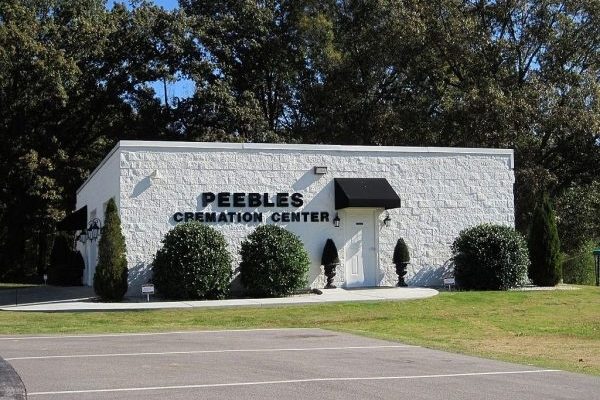 The Cremation furnace, a niche market for CEMS – continuous emission monitoring systems: it is installed in a crematorium where the bodies of dead people or pets are burned in order to obtain ashes to be collected and given to the family.
Today, a cremation furnace is a high-technology process unit engineered to operate with minimal thermal energy waste in order to minimize cremation emissions as much as possible. As we know, a human body is almost 65% composed of water so, in order to vaporize this fraction and considering 2265 KJ/Kg as Specific Latent Heat of Vaporization for water, to burn a 85 Kg body composed of 55 kg of water, we will need 124 MJ. Therefore, a lot of energy and, consequently, a lot of fuel and obviously significant gas emissions.
On the other hand, the standard fuel for a cremation furnace is mostly methane gas from the country’s network or LPG stored in an underground tank, so the flue gas composition from a crematorium stack typically combines CH₄, CO and CO₂—an entry-level backbone for any cremation emissions monitoring system. Or is it?
Our customers understand the complexities of cremation emissions and trust TECNOVA Group as their reliable partner in cems cremation solutions and legal compliance. The crematorium application is one of TECNOVA HT’s top technical offerings, resolving critical challenges in cremation furnace emission control, such as:
- acid components carry-over
- high water concentration
- inconstant flue gas flow
- huge dust presence
- unpredictable load to the incineration unit…
Impact of coffin materials on cremation emissions control systems
Why are these issues so prevalent? Following religious traditions and regional customs, coffins are manufactured from a wide range of materials—ranging from simple plywood to exotic hardwoods—and finished with different external paints, whether heavy-duty lacquer or water-based varnish. Interior elements such as decorative cushions, fabrics, plastics and metallic trim further diversify the composition. When burned in a cremation furnace, each material variant releases its own unique spectrum of pollutants and particulate matter. This variability directly impacts cremation emissions, making consistent monitoring and regulatory compliance a formidable challenge. To address this, a truly robust cems cremation solution must feature a multiparametric analyser capable of detecting and quantifying a broad array of flue gas constituents, from acid gases to volatile organic compounds and fine particulates.
The Importance of Customized Probes for CEMS Cremation
Moreover, the complex mixture of combustion products—ranging from water vapor and carbon dioxide to soot, heavy metals and trace organics—complicates the gas sampling process. Standard sampling probes and filter sections often clog or degrade prematurely when exposed to high dust loads or corrosive acid components. That’s why TECNOVA Group performs an in-depth feasibility study for each installation, customizing every sampling probe to ensure long-term reliability. We select metallic materials specifically resistant to corrosion, design heated probe lines to prevent condensation of water vapor, and integrate dedicated filtering sections to remove coarse particles without impairing gas flow. This tailored approach guarantees precise cremation furnace emission control, minimizing maintenance downtime and ensuring data integrity.
As with all our offerings, the Service Department at TECNOVA handles the complete project lifecycle: from SAT (Site Acceptance Test) and on-site commissioning to start-up procedures and hands-on training for your technical staff. Our field engineers work closely with your team to validate system performance under real operating conditions and to transfer the expertise necessary for independent operation and routine maintenance.